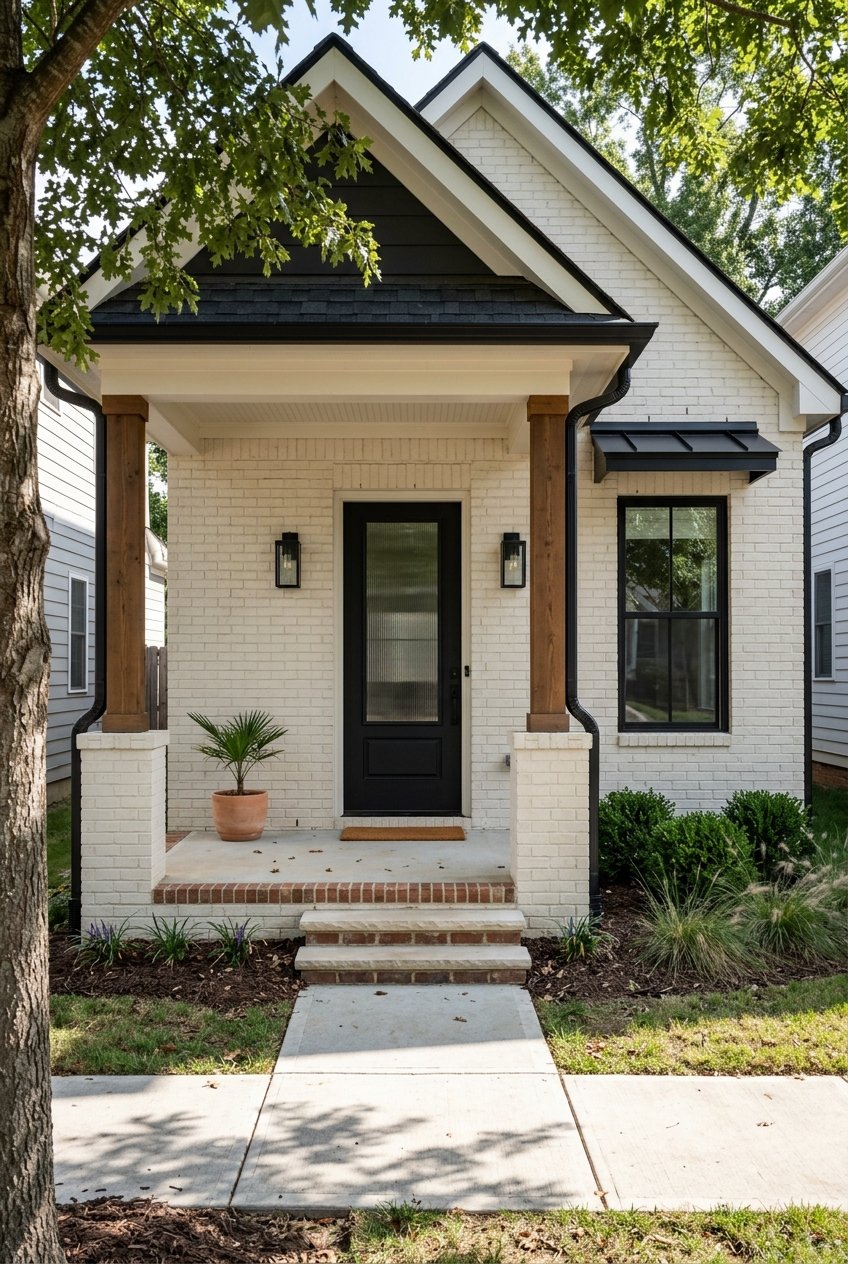
If you are looking for a Houston neighborhood with real front-porch character, The Heights stands out right away. This is a place where everyday life often spills toward the street, with tree-lined blocks, neighborhood parks, local coffee stops, and homes designed to connect with the public side of the block. If you want to understand what it really feels like to live here, this guide will walk you through the streetscape, daily routines, home styles, and neighborhood rhythm that shape life in Houston Heights. Let’s dive in.
What Gives The Heights Its Feel
Houston Heights was platted in 1891, and the City of Houston describes it as Texas’ earliest planned community. That history still shows up in the way the neighborhood functions today, from its residential blocks to the commercial activity along 19th Street and the broad, tree-lined stretch of Heights Boulevard.
That original layout helps explain why The Heights feels so distinct. Instead of reading like a collection of disconnected streets, it has a strong civic pattern built around walkable corridors, visible front yards, and public gathering spaces.
The neighborhood’s community rhythm also stays active through ongoing local programming. The Houston Heights Association supports parks stewardship, boulevard art, home tours, and the annual Fun Run, all of which reinforce the sense that this is a place where public space still matters.
Why Porch Life Feels Real Here
In many neighborhoods, “porch life” is more of an idea than a real daily experience. In Houston Heights, it is built into the architecture itself.
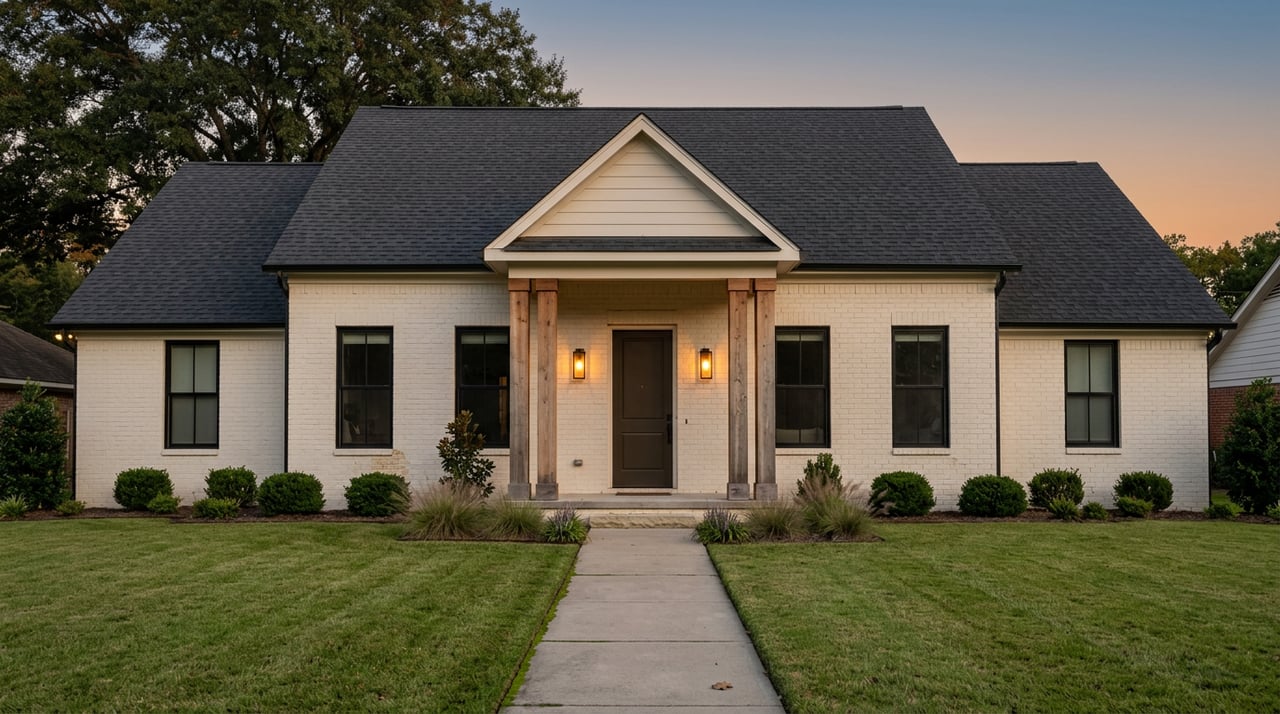
Most buildings in the area are one- or two-story single-family homes. The City of Houston’s historic-district guidance highlights features like substantial front porches, generous setbacks, detached rear garages, large windows, bay windows, decorated gables, and turned or tapered porch supports.
Those details do more than create curb appeal. They shape how the neighborhood feels from the sidewalk and how you experience your home from the street.
Because garages are often detached and placed to the rear, the front of the house remains the visual focus. Combined with deeper setbacks and larger porches, that design creates a more open, connected streetscape than you might find in areas dominated by front-loaded garages.
Streets That Define Daily Living
A few corridors help anchor everyday life in The Heights. Heights Boulevard remains one of the neighborhood’s central visual and social features, with its broad esplanade and tree-lined character.
19th Street is still the best-known shopping corridor in the neighborhood. The City of Houston also notes that retail developed along 11th and 20th Streets, which adds to the feeling that daily errands and casual outings can stay close to home.
Some residential streets also have a noticeably different scale. According to the city’s architectural guidance, homes on Heights Boulevard and the parallel streets of Yale and Harvard tend to be larger than homes on other residential blocks.
That means your block-to-block experience can vary. Some streets feel especially grand and historic, while others feel more modest, but the overall neighborhood identity stays consistent through mature trees, setbacks, porches, and historic character.
Everyday Routines In The Heights
One reason people connect with The Heights is that the neighborhood supports simple, repeatable routines. You can picture a morning coffee stop, a short walk, a quick errand, and time outdoors all fitting into the same part of your day.
For coffee, examples in the area include Boomtown Coffee’s original Heights shop on 19th Street, Common Bond on Heights Boulevard, and New Heights Coffee Roasters on Studewood. These kinds of destinations help shape the neighborhood’s daily rhythm around local stops rather than long drives.
Outdoor time is another major part of life here. Common routine-oriented spaces include the Heights Boulevard esplanade, Marmion Park, Donovan Park, and the Heights Hike and Bike Trail connection to White Oak Bayou.
The Houston Heights Association owns and operates sites along Heights Boulevard, including Marmion Park and Donovan Park. Donovan Park is open daily and free to visit, while Marmion Park serves as a neighborhood gathering place.
The trail network adds another practical layer to daily life. According to the City of Houston, the trail system is intended for walking, running, biking, and short dog walks, and Houston Parks Board highlights the trail junction as a spot with a downtown view.
Is The Heights Walkable?
For many buyers, walkability means more than a score or label. It means being able to step out of your house and actually enjoy useful, pleasant routes for daily life.
In The Heights, the strongest walkable zones are 19th Street, Heights Boulevard, and the connected trail-and-park network. These are the places where neighborhood destinations, public space, and street character come together most clearly.
That does not mean every block functions the same way. Some areas are more residential and quieter, while others place you closer to shopping, coffee, or outdoor space.
If walkability is high on your list, your exact location within the neighborhood matters. A home near 19th Street, Heights Boulevard, or trail connections may offer a different day-to-day experience than one on a more tucked-away residential block.
What Kind Of Homes You’ll Find
The Heights housing mix is best understood as preserved history paired with selective new infill. Buyers can expect a range of home types rather than one single product.
Historic options include bungalows, Queen Anne cottages, Craftsman homes, and Folk Victorian houses. These are part of what gives the neighborhood its visual identity and porch-forward feel.
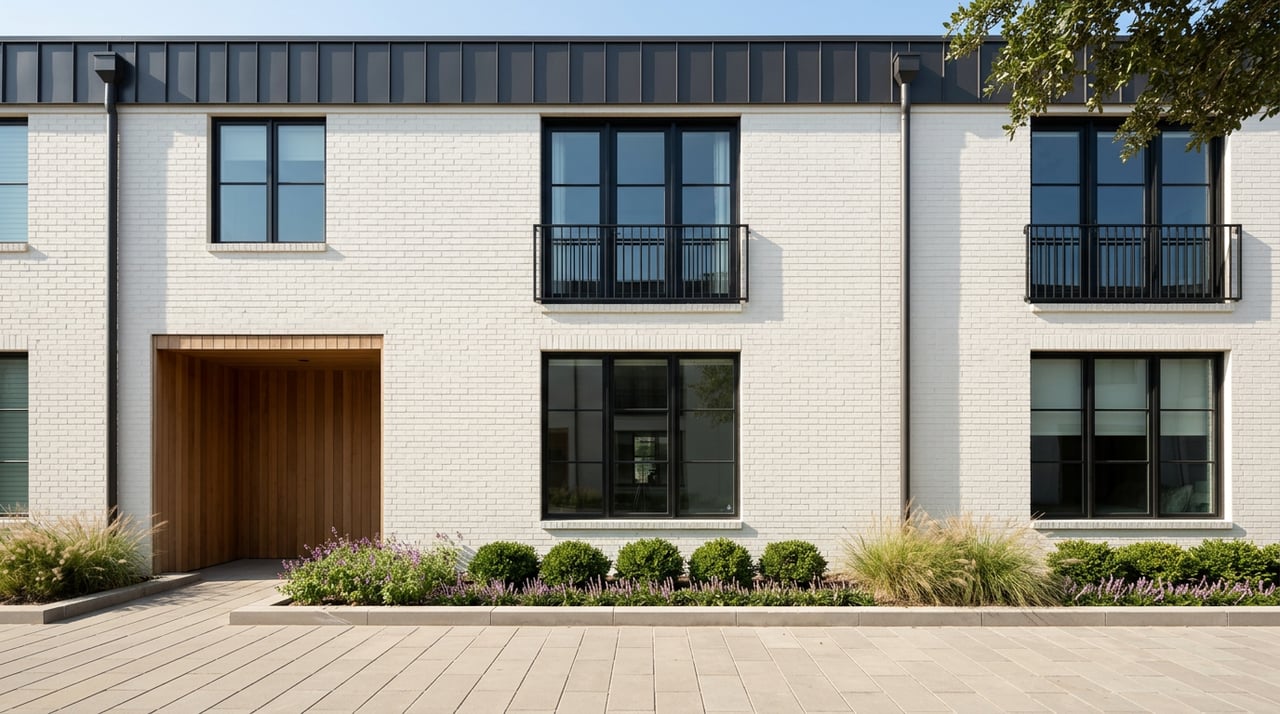
At the same time, the city’s historic-district inventory also shows newer single-family homes and townhouses in parts of the district. That means your options may include restored cottages, bungalow-era homes, and newer detached or attached homes depending on the block.
The unifying theme is neighborhood character, not strict uniformity. Even with different home ages and formats, the streetscape is tied together by setbacks, porches, mature trees, and historic-district standards.
What Buyers Should Notice Block By Block
In a neighborhood like The Heights, the block can matter almost as much as the address. Two homes with similar square footage may offer very different surroundings depending on where they sit in relation to major corridors, parks, or more historic residential stretches.
As you explore, pay attention to a few practical details:
- Porch depth and how the home relates to the street
- Setback from the sidewalk
- Presence of detached rear garages versus front-facing garage emphasis
- Access to Heights Boulevard, 19th Street, trails, and parks
- Mix of historic homes and newer infill on the block
- Overall tree cover and streetscape continuity
These details help you understand not just the home, but the lifestyle around it. In The Heights, the everyday feel often comes from what happens between the front door and the street.
Why The Heights Appeals To So Many Buyers
The neighborhood’s appeal comes from a combination of history, design, and daily convenience. You get a setting where architecture still shapes public life, and where routines can include parks, trails, coffee shops, and neighborhood shopping.
For some buyers, the draw is the historic housing stock and visible character. For others, it is the balance of established neighborhood identity and the availability of some newer infill options.
The Heights also tends to attract people who want a home with a stronger connection to its surroundings. Front porches, meaningful setbacks, and active public spaces create a day-to-day experience that feels different from more auto-oriented neighborhoods.
A Local Perspective Matters
Because The Heights includes both historic homes and newer infill, it helps to have clear, local guidance as you narrow your search. A home’s block, streetscape, and relationship to neighborhood amenities can shape your experience just as much as the floor plan itself.
If you are thinking about buying or selling in Houston Heights, working with a team that values neighborhood context can help you make a more informed decision. To explore your options with experienced, client-first guidance, connect with Integrity Texas Properties.
FAQs
What is porch life like in Houston Heights?
- Porch life in Houston Heights feels especially real because many homes were designed with substantial front porches, generous setbacks, and detached rear garages that keep the front of the house connected to the street.
What are the main walkable areas in Houston Heights?
- The strongest walkable zones in Houston Heights are 19th Street, Heights Boulevard, and the trail-and-park network that links common everyday destinations.
What types of homes are common in Houston Heights?
- Houston Heights is known for one- and two-story single-family homes, including bungalows, Queen Anne cottages, Craftsman homes, and Folk Victorian houses, along with some newer infill homes and townhouses in certain areas.
What parks and outdoor spaces are part of daily life in Houston Heights?
- Common outdoor spaces in Houston Heights include the Heights Boulevard esplanade, Marmion Park, Donovan Park, and the Heights Hike and Bike Trail connection to White Oak Bayou.
What makes Houston Heights feel different from other Houston neighborhoods?
- Houston Heights stands out for its early planned-community layout, tree-lined streets, prominent front porches, neighborhood shopping corridors, and public spaces that support a strong everyday community rhythm.