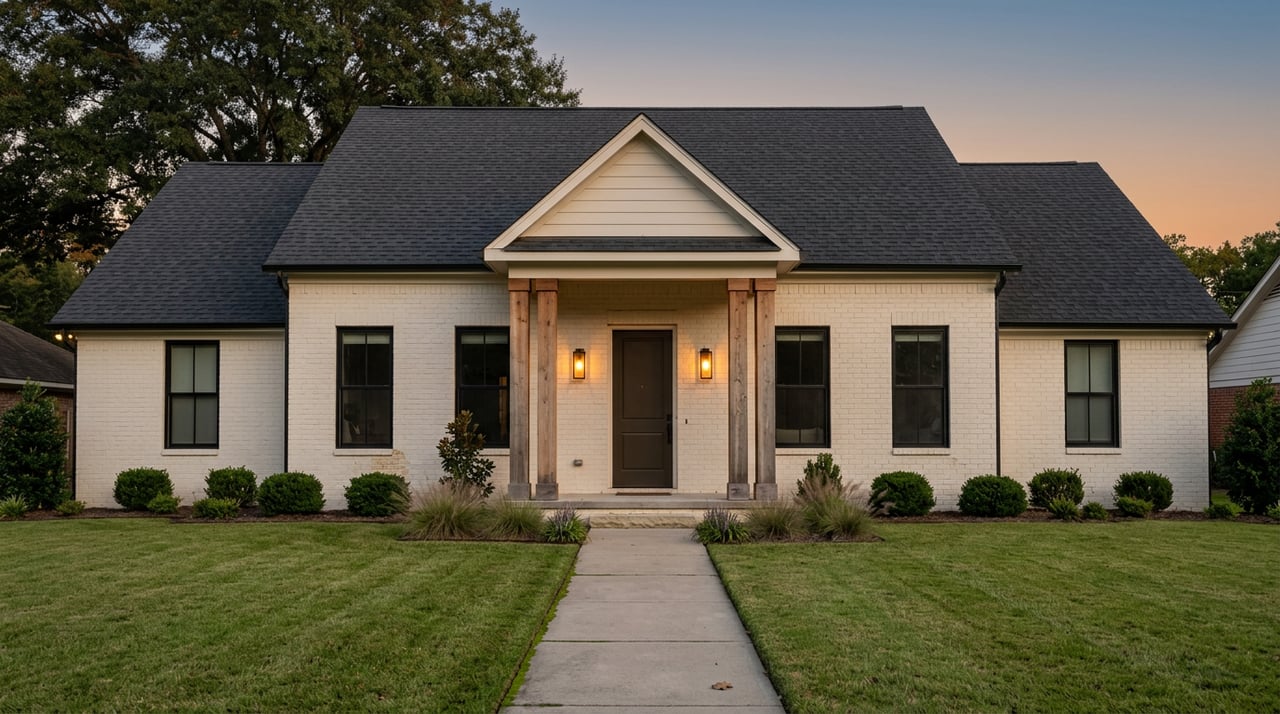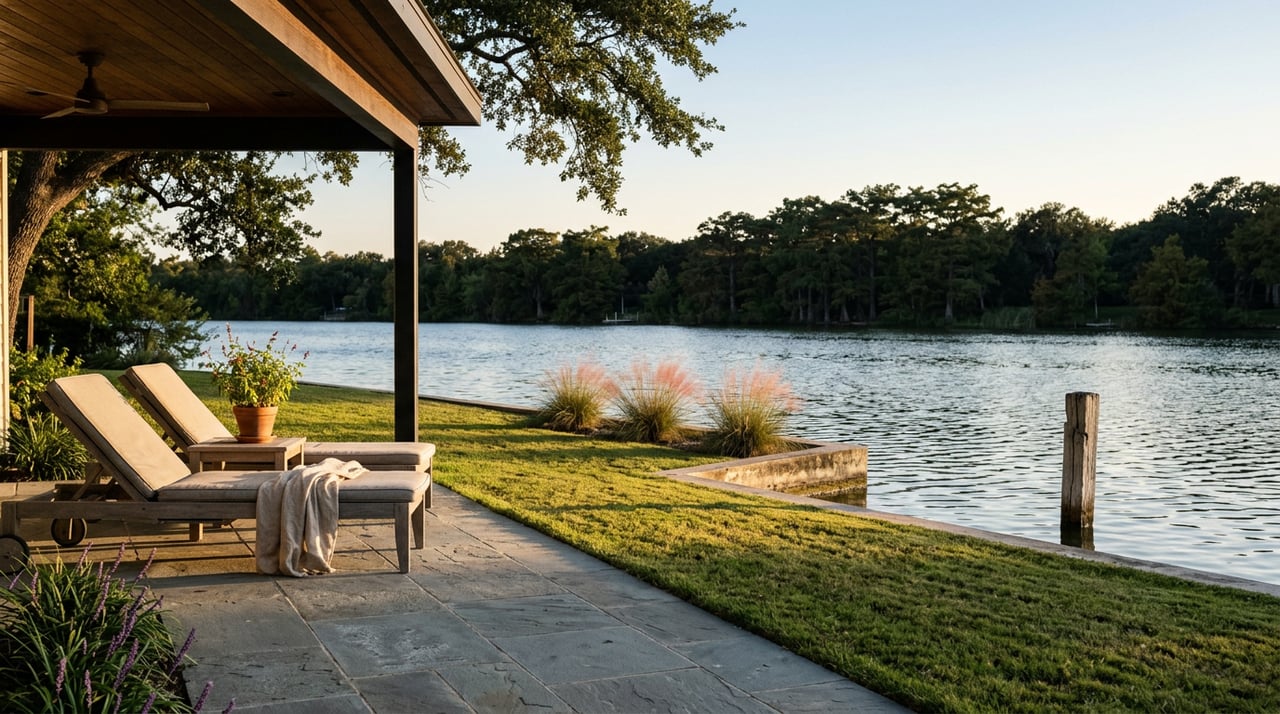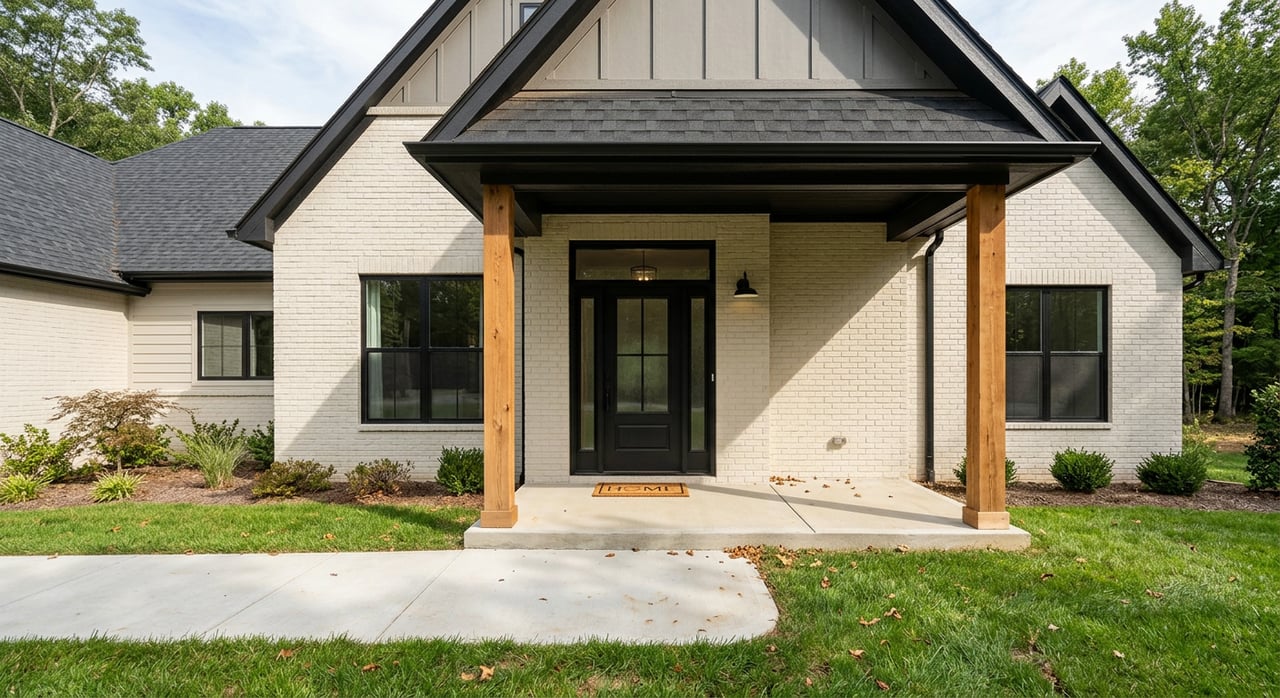
You want a first home that fits your life today and sets you up for what’s next. If Magnolia is on your radar, you’re likely drawn to its small-town feel, tall pines, and the option to choose between new neighborhoods and acreage living. In this guide, you’ll learn what homes cost, how the Texas process works, and the key local details first-time buyers often miss. Let’s dive in.
Why first-time buyers choose Magnolia
Magnolia sits northwest of Houston and near The Woodlands, giving you room to breathe without losing big-city access. It is roughly 40 to 45 miles from downtown Houston and about 20 miles to The Woodlands, depending on your route and traffic, which you can confirm using a simple distance check on tools like Travelmath’s Houston–Magnolia calculator.
The incorporated city is small, with about 2,300 residents in the 2020 Census, but the broader area is growing. Magnolia ISD serves much of the surrounding community and continues to add facilities as enrollment increases. You can explore the city’s quick facts on the U.S. Census Bureau’s Magnolia page and see district context on Magnolia ISD’s community pages.
You’ll find a mix of options: established small-town streets, active master-planned communities with new construction, and rural properties on half-acre to multi-acre lots nearby. That variety lets you balance space, commute, and maintenance in a way that fits your budget and lifestyle.
What homes cost today
Recent snapshots from major housing portals put Magnolia’s overall median in the 350,000 to 390,000 dollar range, with market times that often land around two months. Prices vary by footprint, so be clear about whether you mean Magnolia city limits, ZIP codes 77354 and 77355, or the broader Magnolia ISD area.
Neighborhood differences matter. Many starter and new-build homes in master-planned areas list in the 250,000 to 450,000 dollar band, while acreage neighborhoods can list much higher depending on lot size and improvements. Inventory shifts month to month, and well-priced homes still draw interest quickly. If you want current numbers for your specific search area, ask for a tailored update the week you plan to tour.
Define your footprint first
Before you compare prices, decide which Magnolia you mean:
- Magnolia city limits
- ZIP 77354 or 77355
- Magnolia ISD or nearby rural subdivisions
This helps you compare apples to apples when you look at pricing, taxes, and commute times.
Your step-by-step roadmap
1) Get your budget right
Plan for your down payment, closing costs, and a cash cushion of a few months for comfort. Exact numbers depend on your loan type and lender fees. A quick planning call with a local lender can help you set a realistic target price before you shop.
2) Secure a strong pre-approval
A written pre-approval shows sellers you’re serious. Lenders typically ask for recent pay stubs, W-2s, bank statements, photo ID, and employer contact information. Having this in hand can strengthen your offer when you find the right home.
3) Explore down payment help in Texas
Statewide programs like the TDHCA My First Texas Home program offer fixed-rate mortgages and down payment or closing cost assistance, often around 2 to 5 percent depending on program terms. Eligibility varies by county, income, and loan limits. Talk with a participating lender to confirm what you qualify for.
4) Choose your home type: new build or acreage
Tour a range of options so you understand tradeoffs.
- Newer neighborhoods: Smaller yards with lower outdoor upkeep, builder warranties, and city or MUD utilities for water and sewer. Many areas feed into Magnolia ISD. You can learn about district context on Magnolia ISD’s site.
- Acreage and rural homes: Larger lots, more privacy, and often private wells and septic systems. Maintenance is different than suburban living, and you will want to verify permits, records, and recent service history for those systems.
5) Write a winning offer in Texas
Most resale purchases use the Texas Real Estate Commission’s One-to-Four Family Residential Contract. You can review contract information on TREC’s contracts page.
Key terms to know:
- Earnest money: A good-faith deposit held in escrow that may be refundable under contract terms.
- Option period and option fee: A short, negotiated window where you can terminate for any reason if you pay the option fee on time. The fee is typically credited at closing but is not refundable if you terminate under the option right.
Common negotiation levers in Magnolia include a strong pre-approval, a practical option period length, and competitive earnest money. If inventory is tight, shorter option periods can make your offer stand out, but they also reduce your time for inspections.
6) Inspect with confidence
Schedule inspections during the option period. Typical checks include a full home inspection and a wood-destroying insect inspection. For acreage homes with private systems, add a septic inspection and well water testing. Lenders, including FHA, VA, or USDA, may require timely lab water tests on private wells.
For septic systems, start with the Texas Commission on Environmental Quality’s guidance on on-site sewage facilities, permitting, and local authorized agents. Review the homeowner resources on TCEQ’s OSSF page.
7) Title, survey, and closing
Title companies issue a title commitment during escrow and a policy at closing. In Texas, it is customary for the seller to pay for the owner’s title policy, though this is negotiable. The buyer typically pays for the lender’s policy. Title insurance rates are regulated in Texas, and you can learn more from the Texas Land Title Association’s FAQ.
Once your loan underwriting and appraisal are complete, most financed purchases close in about 30 to 45 days after contract acceptance. Cash purchases or highly streamlined files can close faster.
8) After closing: claim your homestead
If this will be your primary residence, file a Texas homestead exemption with the Montgomery Central Appraisal District. A homestead exemption can reduce the taxable value for school taxes and may lower your annual bill. Start with MCAD’s website to review forms, deadlines, and your property’s tax jurisdictions.
Magnolia taxes, utilities, and risk checks
Property taxes and school district impact
Texas property tax bills are a combination of county, school district, city, and any special districts that apply to a property. Magnolia ISD is a major taxing unit for many addresses in the area. The district shares tax-rate context with the community on its website. Always confirm the exact tax code areas for a specific address using the Montgomery Central Appraisal District search.
MUDs and special districts
Many Greater Houston suburbs use Municipal Utility Districts or similar districts to fund water, sewer, and drainage infrastructure. These districts levy their own tax rates and fees that appear on your bill. Ask whether a property is in a MUD and verify the current MUD tax rate on the listing, the seller’s disclosure, or the MCAD property look-up.
Flood risk and disclosures
Texas requires a seller’s disclosure in most resale transactions. Recent forms ask about flood history and prior insurance claims. Review seller-disclosure and contract information on TREC’s forms and contracts page, and check FEMA flood maps for any property you are considering. Many buyers also choose flood insurance even when a home is not in a mapped floodplain.
Private wells and septic systems
If a home uses a private well or on-site sewage facility, request permits, maintenance records, pump-out receipts, and recent water tests. TCEQ regulates on-site systems and provides guidance and local contacts. Learn more on TCEQ’s OSSF page.
USDA rural loan eligibility
Some outer parts of Magnolia and nearby ZIP codes may qualify for USDA Single Family Guaranteed loans, which can offer 100 percent financing for eligible properties and buyers. Eligibility is property specific. Check addresses using the USDA property eligibility tool and speak with a USDA-approved lender.
Common first-time buyer pitfalls to avoid
- Assuming acreage means lower taxes. MUDs or special assessments can increase your annual cost. Verify the full tax rate on MCAD.
- Skipping septic or water testing. For private systems, missing permits or poor water test results are common deal breakers. Start with TCEQ’s guidance and hire qualified inspectors.
- Using market stats without context. Prices and days on market vary by data source and update frequently. Compare like areas, use up-to-date numbers, and confirm the footprint you care about.
Ready to buy with confidence?
If you want suburban convenience, space to grow, or a little land under big skies, Magnolia can deliver. You deserve a guide who understands both master-planned neighborhoods and acreage details like wells, septic, and access. When you are ready, our boutique team is here to help you plan, search, and close with clarity. Connect with Integrity Texas Properties to start your Magnolia first-home game plan.
FAQs
How far is Magnolia from Houston and The Woodlands?
- Magnolia’s city center is roughly 40 to 45 miles from downtown Houston and about 20 miles from The Woodlands, depending on route and traffic. You can confirm mileage with Travelmath’s distance tool.
What is a realistic first-home price range in Magnolia?
- Many starter and new-build homes list between 250,000 and 450,000 dollars, while the broader market median has recently hovered around 350,000 to 390,000 dollars. Neighborhoods with larger lots or acreage price higher.
What is the Texas option period and why does it matter?
- The option period is a short, negotiated window that gives you the right to terminate for any reason if you pay the option fee on time. Review details on TREC’s contracts page.
Which inspections are recommended for acreage homes in Magnolia?
- Schedule a general home inspection, wood-destroying insect inspection, septic inspection, and well water testing if applicable. Lenders may require specific reports for private systems.
How do MUD taxes affect my monthly payment?
- MUDs levy their own tax rate that is added to your total property tax bill. Confirm whether a property is in a MUD and verify the rate on the MCAD property search.
How long does it take to close on a home in Magnolia?
- Most financed purchases close in about 30 to 45 days after contract acceptance, depending on appraisal, underwriting, and title work. Cash purchases can be faster.
How do I claim a homestead exemption in Montgomery County?
- If the home is your primary residence, apply through the Montgomery Central Appraisal District to reduce your taxable value for school taxes and potentially lower your annual bill.
Is USDA 0 percent down financing available in Magnolia?
- Parts of the area may qualify. Use the USDA eligibility map and speak with a USDA-approved lender to confirm a specific address.