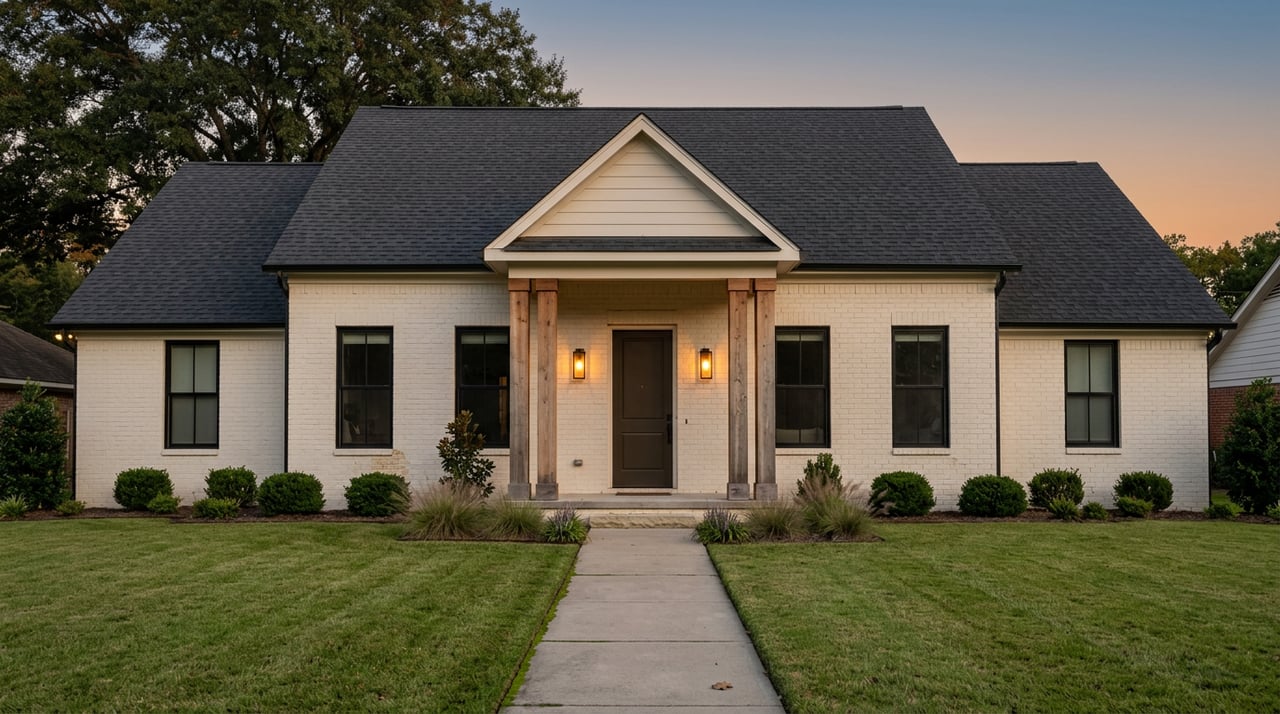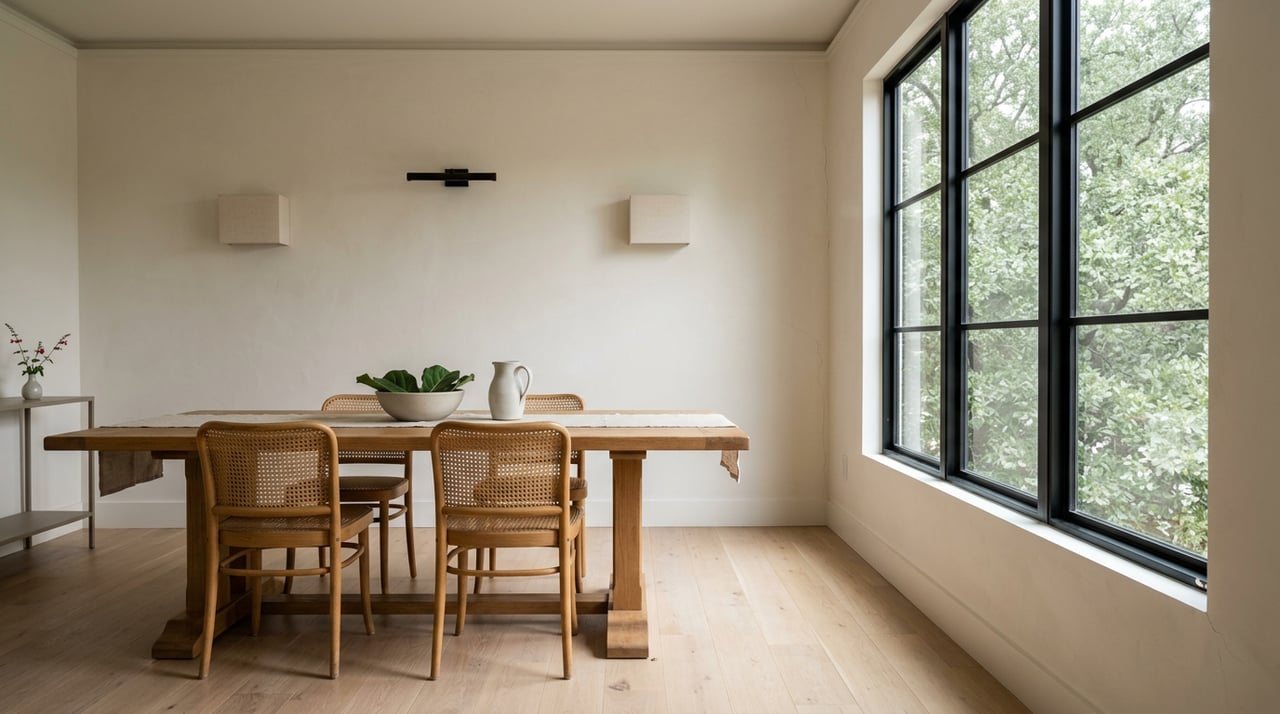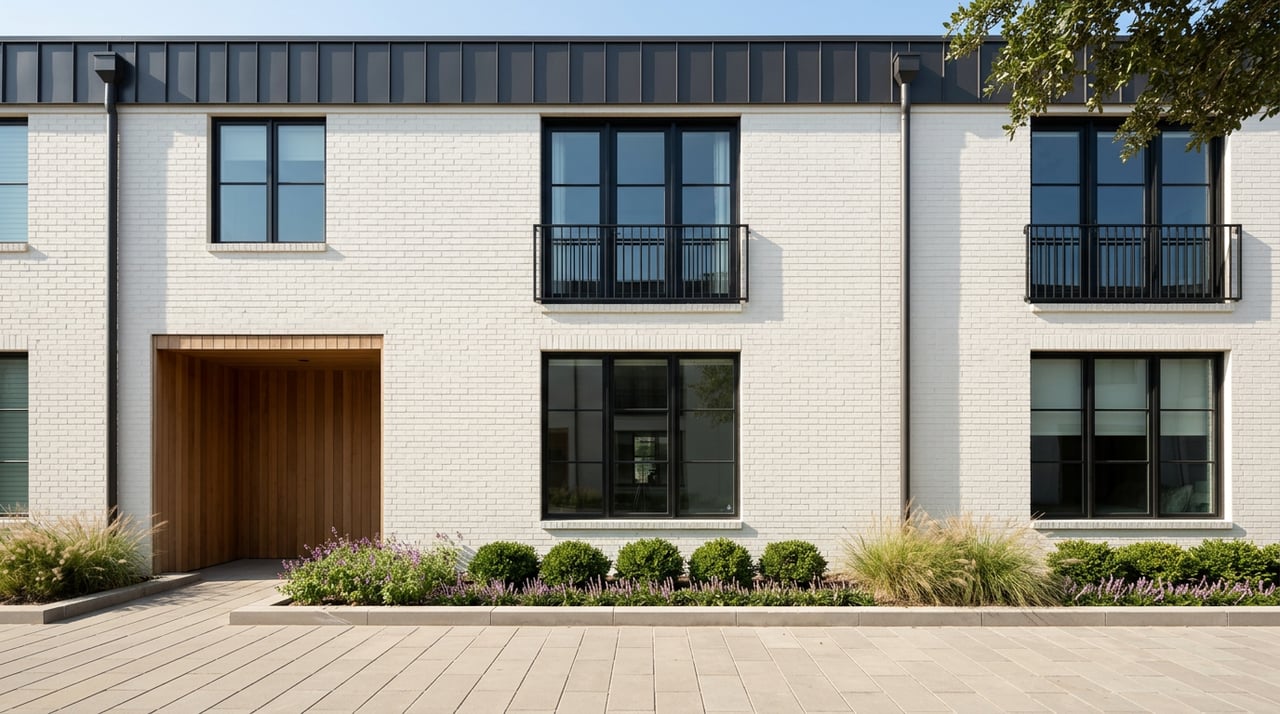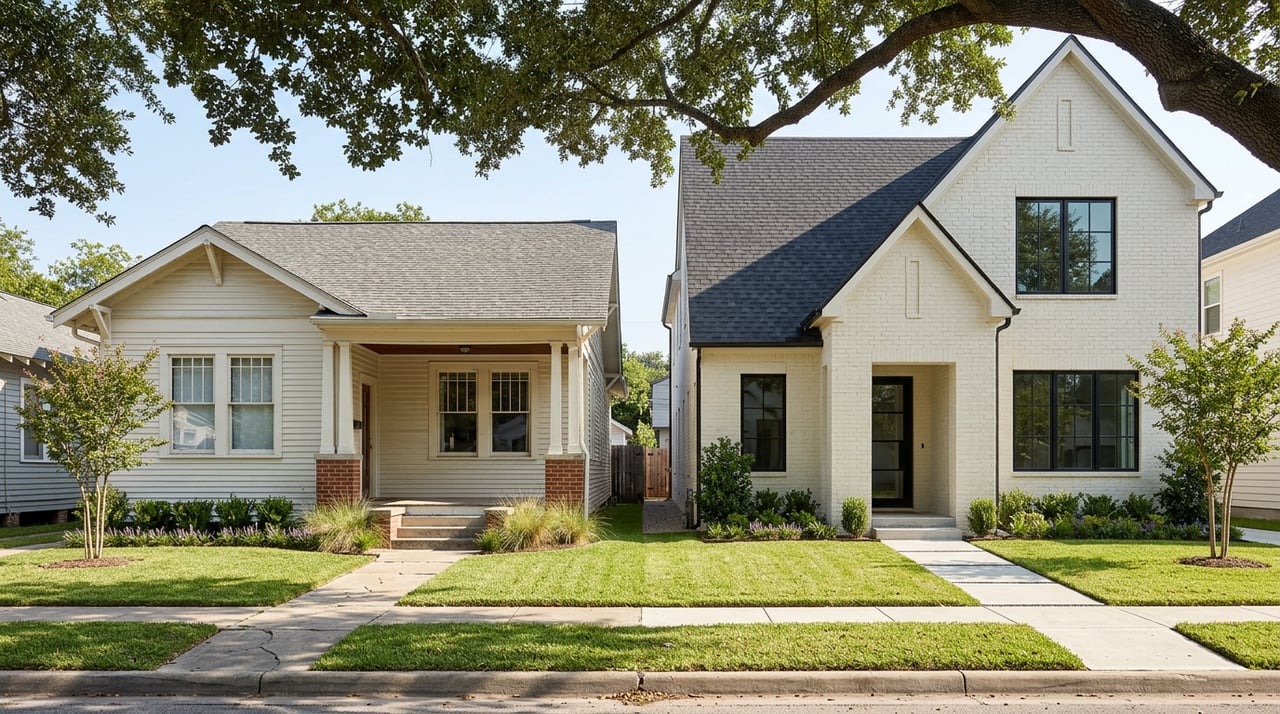
You can picture both: a sunlit 1920s porch under mature trees and a sleek new build with an open kitchen and tall ceilings. If you are deciding between a historic bungalow and new construction in the Heights, you are not alone. Each path offers clear strengths, different costs, and unique rules that can shape your daily life and your budget. This guide breaks down market context, design differences, maintenance expectations, and the key approvals that matter in Houston Heights so you can choose with confidence. Let’s dive in.
The Heights market at a glance
The Heights remains one of Houston’s most sought-after inside-the-loop neighborhoods, known for early 20th-century architecture, walkable streets, and a steady wave of quality infill. Reported neighborhood snapshots place the broader Heights around the mid-$600s for typical sales, with historic cottages and bungalows ranging widely by condition and location, and newer single-family builds extending into upper price tiers. Always confirm current numbers with live comps, since pricing can shift by block and by month. For a helpful overview of market pros and cons, review this Heights-focused summary from the local association of REALTORS HAR.
Inside designated historic districts, exterior changes and new builds follow defined rules and review. Those protections can limit supply of preserved homes and help support premiums for well-kept properties that showcase original character. Outside those districts, development patterns are more flexible, which is why you often see new homes near older ones.
Historic homes: character and tradeoffs
What you gain
Historic bungalows and early cottages deliver the porch life many people imagine when they think of the Heights. You often see original wood floors, detailed trim, front porches that invite neighborly connection, and detached rear garages set back from the street. In the protected districts, this character is not just a look, it is a standard the city aims to preserve. Learn how the City of Houston evaluates exterior changes in Heights historic districts in its official design guidelines.
If you value mature trees, traditional streetscapes, and homes that feel rooted to the neighborhood’s past, a historic bungalow will likely speak to you. Renovated examples can blend charm with updated systems, offering a move-in-ready experience without sacrificing character.
What to budget and inspect
Older homes can carry more near-term maintenance. Plan a thorough inspection period with specialized pros so you know what you are buying and what to budget.
- Structure and foundation. Many older Heights homes use pier-and-beam or shallow footings. Substantial foundation jobs in the region often land in the low-to-mid five-figure range, while smaller fixes can cost less. Get a structural engineer’s opinion before you lift a contingency. See a regional cost overview from a foundation specialist here.
- Roof. Roofs on older homes may be near end of life. Typical Houston roof replacements often run about 6,000 to 20,000 dollars depending on material and scope. Review a Houston roof cost guide from Angi to frame expectations.
- Electrical safety. Pre-1950s homes can still have older panels or legacy wiring that affect insurability and lender requirements. Some insurers will require updates before issuing a standard policy. Learn how older systems can impact coverage in this insurer overview.
- Plumbing and HVAC. Original or galvanized pipes, older water heaters, and less efficient HVAC systems are common in vintage homes. Replacements can run in the mid-to-high thousands, depending on extent. Build a cushion for these items in your first-year plan.
- Termites and wood decay. Houston’s climate makes termite inspections a must for older houses. Ask for any prior treatment documentation and secure a current Wood-Destroying Insect report during your option period.
- Historic materials. Matching original siding, windows, and porch details can cost more than standard replacements. If the home is in a historic district, visible exterior work will likely require a Certificate of Appropriateness. Review how the process works in the City’s Heights design guidelines.
Rules that shape your plan
If the property sits inside a Heights historic district, exterior changes, additions, and demolition typically require a Certificate of Appropriateness from the City’s preservation office. That review helps protect the neighborhood’s character, but it can also lengthen timelines and influence material choices. Before you commit to a major renovation plan, verify whether the home is contributing or noncontributing to the district and confirm what is allowed. The City’s official Heights guidance is your best starting point for scope and timelines in the COA process.
New construction: comfort and convenience
What you gain
Newer builds in the Heights deliver modern layouts with open-plan living, higher ceilings, multiple full baths, and large primary suites. You also get modern systems and insulation packages that can lower operating costs. Many new homes that meet energy-saving standards can be 15 to 30 percent more efficient than older stock, depending on what is installed. Learn more about efficiency benefits from ENERGY STAR.
Another advantage is the builder warranty. Many reputable builders offer a 1-2-10 structure that covers workmanship for one year, major systems for two years, and structural components for ten years. Always verify the exact coverage and transferability on resales. Review the common structure of these warranties via 2-10 Home Buyers Warranty.
What to consider
New homes often maximize interior space, which can reduce front porches and yard depth compared with older lots. If you want a larger backyard, room for a pool, or deep shade from mature trees, you may need to focus on select blocks or larger assembled lots. New builds also tend to sit at higher price points for similar square footage, especially when finish levels are elevated.
Outside of designated historic districts, Houston’s development pattern allows for a wider mix of product types on the same block. That can be a plus for getting new-build options in a historic area, but it also means street experiences can vary. Walk the block at different times of day to be sure the setting fits your goals.
Flood, insurance, and taxes
Flood zones and insurance
Even within the Heights, flood risk can vary by pocket. Before you make an offer, confirm the FEMA flood-zone designation for the property and review the most recent map panels. You can search your parcel on the FEMA Flood Map Service Center. If the property lies in a zone that requires flood insurance for a loan, get a premium estimate from your insurer during your option period to avoid surprises.
Older electrical, plumbing, and roofing conditions can trigger insurance underwriting conditions, higher premiums, or even a pause in coverage until updates are completed. Ask your lender and insurer early about any requirements tied to the home you are considering. For a primer on how older systems affect coverage, review this overview.
Appraisal, assessments, and exemptions
A brand-new build or a substantial renovation can raise your assessed value in later tax cycles. Preserved historic designation does not automatically reduce taxes, but it does guide exterior changes. Always check the parcel record and prior assessed values through the Harris County Appraisal District. If you plan to live in the home as your primary residence, discuss homestead and other exemptions with your agent and confirm eligibility and timing.
Health and safety disclosures
If a home was built before 1978, federal law requires lead-based paint disclosures and delivery of an EPA lead pamphlet. You have the right to arrange a lead inspection during your option period if you choose. Learn more about real estate obligations related to lead-safe practices from the EPA.
Who you are as a buyer
- Character seeker with renovation appetite. You want porch life, original millwork, and a canopy of mature trees. You are comfortable with specialist inspections and realistic budgets for updates. You are open to the added planning that comes with historic-district approvals.
- Turnkey buyer with a modern lifestyle. You want an open plan, new systems, energy efficiency, and minimal near-term projects. You value a builder warranty and a streamlined move.
Street-by-street pricing tips
- Compare block-level comps. In the Heights, two adjacent blocks can perform very differently. Focus on recent sales that match the home’s style, size, and condition.
- Know your sub-neighborhood. Heights East, Heights West, Heights South, Norhill, Woodland Heights, and Sunset Heights each have their own feel and pricing patterns. Some areas include designated historic districts with exterior design controls.
- Weigh condition carefully. A beautifully restored bungalow on a premier block can trade above some newer homes on busier streets. Conversely, a large new single-family build with premium finishes may outprice a modest renovated cottage nearby. Use fresh comps and your agent’s perspective to set realistic expectations. For big-picture context, start with this Heights overview from HAR and then drill into recent MLS data.
Quick comparison checklist
Use this to organize your search and your due diligence.
- Confirm district status. Ask whether the property is inside a City-designated Heights historic district and whether it is categorized as contributing or noncontributing. Review the City’s Heights design guidelines for rules and typical timelines.
- Ask for key records. Roof and HVAC ages, plumbing updates, electrical permits, foundation repair invoices with transferable warranties, and any termite treatment documentation.
- Schedule specialty inspections. Structural engineer if you see foundation signs, licensed electrician for older wiring or panels, plumbing and sewer scope, WDI/termite, and a lead risk assessment if the home predates 1978.
- For new builds, verify quality. Request the builder’s 1-2-10 warranty documents and ask whether any third-party energy verification was performed. Review sample warranty coverage from 2-10 Home Buyers Warranty and general efficiency standards from ENERGY STAR.
- Check flood and taxes. Pull the parcel on the FEMA Flood Map Service Center and review the property’s tax record through HCAD. If flood insurance is likely, get quotes before you finalize terms.
- Price with precision. Lean on same-block comps and recent sales of similar style and condition. Start broad with a neighborhood snapshot from HAR and then refine with your agent.
The bottom line
Both paths in the Heights can be excellent. A historic bungalow rewards you with authenticity and porch life, but it can require more near-term capital and careful planning for exterior work. A new build provides modern comfort, energy savings, and a warranty, though it often comes with a higher entry price and a different yard and streetscape experience. Your best fit comes down to lifestyle, risk tolerance, and the specific block.
If you want a trusted guide to help you compare homes, line up the right inspections, and negotiate with confidence, reach out to the team at Integrity Texas Properties. We know the nuances of the Heights and will help you find the home and the plan that fit your goals.
FAQs
What should I budget for a Heights bungalow’s first-year repairs?
- Plan for potential foundation work, roof replacement, electrical updates, and plumbing or HVAC improvements. Costs vary widely by home, but these are the most common big-ticket items.
How do historic-district rules affect a renovation in the Heights?
- Exterior changes, additions, and demolitions often require a Certificate of Appropriateness. Expect added planning time and material standards that protect neighborhood character.
Are new builds in the Heights more energy efficient than older homes?
- Typically yes. Many new homes include modern insulation, HVAC, and windows that can lower utility costs compared with older stock, especially if they meet recognized efficiency standards.
Do I need flood insurance when buying in the Heights?
- It depends on the property’s FEMA flood-zone classification and your lender’s requirements. Verify the zone early and get quotes if insurance is likely.
Will a major renovation or new construction change my property taxes?
- Significant improvements can raise your assessed value in later tax cycles. Check parcel history and confirm exemptions and timelines with the county appraisal district.
What inspections are most important for older Heights homes?
- In addition to a general home inspection, consider a structural engineer review, licensed electrician assessment, plumbing and sewer scope, WDI/termite check, and a lead risk assessment for pre-1978 homes.