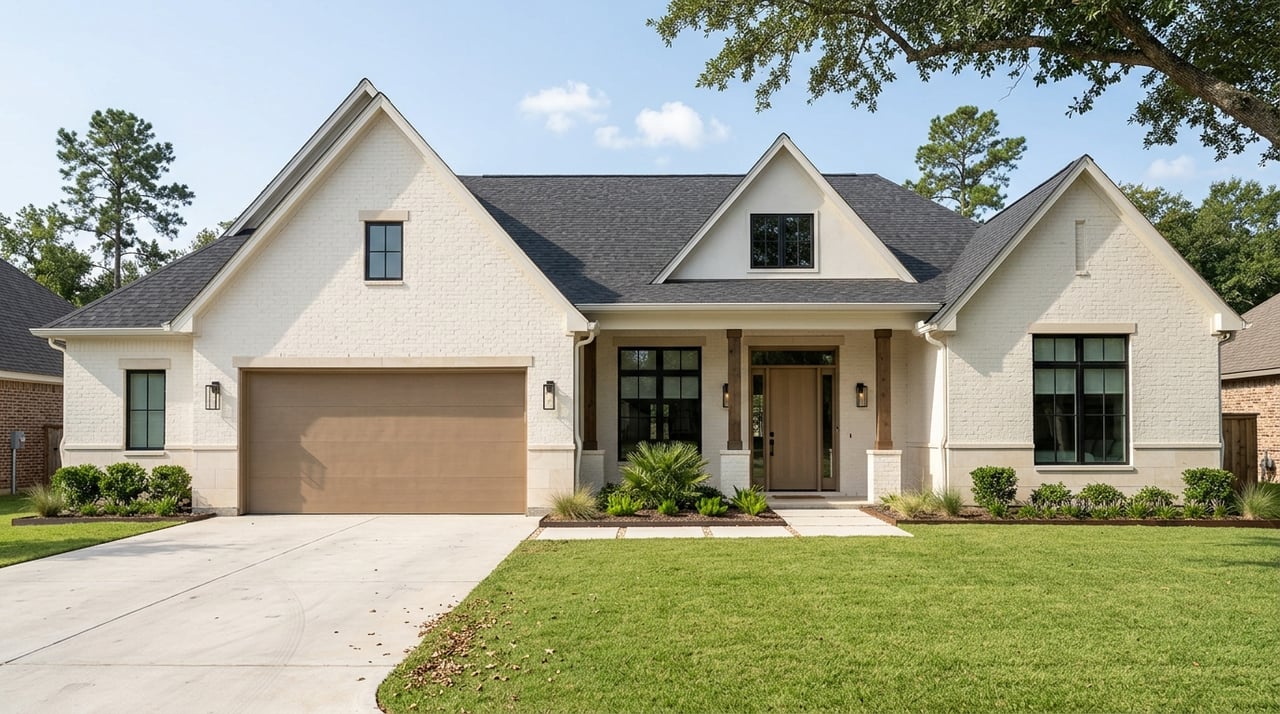
Thinking about listing your Sugar Land home but unsure if now is the moment? You are not alone. With shifting interest rates, changing inventory, and neighborhood-by-neighborhood differences, timing can feel tricky. This guide gives you a clear, local-first way to evaluate the market, weigh your personal timeline, and decide whether to sell now or wait. Let’s dive in.
Check three numbers now
Start with a quick snapshot. In 10 minutes, you can pull these three indicators and know which way the wind is blowing in your neighborhood.
- Months of inventory: Under 3 months favors sellers, around 4 to 6 is balanced, and over 6 leans toward buyers. Look for your subdivision, not just citywide figures.
- Median sale price trend: Compare month over month and year over year. Rising trends support stronger pricing power for sellers. Declines suggest you may face more negotiation.
- Days on market: Falling DOM usually means faster sales and stronger demand. Rising DOM signals buyers have more choice and time.
If all three point to strong demand and tight supply in your specific subdivision, selling now can make sense even outside peak season.
Read local signals
Sugar Land’s overall market is shaped by the Houston metro, but each master-planned community behaves differently. Focus your lens on your exact subdivision and price band.
Master-planned communities
Neighborhoods like First Colony, New Territory, Riverstone, Telfair, Imperial, Sugar Lakes, and areas near Town Square have unique patterns. Use comparable sales from the same community whenever possible to reflect amenities, lot sizes, and build years.
Schools and rezoning
Most of Sugar Land is served by Fort Bend ISD. School zoning and rezoning can influence buyer interest. Track current assignments and any announced changes when you evaluate comps. Keep your language neutral and stick to the facts.
Flood risk and disclosures
Parts of Sugar Land sit near the Brazos River and local creeks. Floodplain status can affect insurance, the buyer pool, and your pricing strategy. Verify your property’s status using the FEMA Flood Map Service Center and gather any elevation certificates you have. Be prepared to disclose known conditions using the standard Texas forms.
Taxes, exemptions, and HOA
Property taxes and HOA dues affect buyer affordability and your net proceeds. Review your appraised value and tax history through the Fort Bend County Appraisal District. Note any homestead exemptions and HOA dues or special assessments that must be disclosed.
New construction competition
Nearby new-build inventory and builder incentives can pull buyers away from resale homes in certain price bands. Check current incentives and new-home closings when you size up your competition.
Price band dynamics
Entry-level, mid-market, and luxury segments move at different speeds. Know exactly where your home sits and compare to recent sales in the same tier.
Commute and employment
Proximity to job centers and medical hubs supports demand. Keep an eye on broader employment trends in the Houston area when reading the market.
Seasonality and timing
Spring is often the busiest season for listings and showings. Early fall can also be active. That said, you can sell year-round if your neighborhood indicators are strong or your timeline requires it.
Sell now can make sense when:
- Months of inventory in your subdivision is low and DOM is stable or falling.
- You are market-ready with clean presentation, strong photos, and a realistic price.
- Interest rates are steady and you are willing to offer a credit or temporary buydown if needed.
Waiting may help when:
- Median prices are trending down in your community and inventory is rising.
- Targeted updates or repairs would shift your home into a stronger price band.
- An announced change, such as school zoning adjustments or a large nearby development, could alter comparable sales soon.
Build your market snapshot
You can assemble a simple, data-backed snapshot before you commit.
- Pull recent pricing and inventory trends for Fort Bend County from the Texas A&M Real Estate Center. Then zoom in to your subdivision through your agent’s MLS.
- Review monthly city and area updates from the Houston Association of Realtors for context.
- Check the latest 30-year fixed mortgage rate trend via the Federal Reserve’s public data to understand affordability shifts. See the long-term mortgage rate series.
Your snapshot should include median sale price trend, months of inventory, average days on market, percent of list price received, and the count of active, pending, and sold listings in the last 30 to 90 days.
Decision pathways
Use these if-then guides to simplify your choice.
Sell now if:
- Inventory is tight in your subdivision and your price band, and comparable sales show stable or rising values.
- You have a clear timeline and your home is show-ready with strong marketing assets.
- You can price at market and consider modest buyer credits to offset rate sensitivity if needed.
Wait if:
- Prices are moving down and months of inventory is climbing in your neighborhood.
- Repairs, paint, staging, or landscaping would materially lift your net proceeds.
- External changes could affect comps and you expect clearer data in the next 1 to 2 months.
Consider alternatives:
- Rent the home if local yields are favorable and you want to hold for a future sale.
- Complete targeted updates, then re-evaluate with fresh comps.
- If speed outweighs price, explore investor or cash offers alongside an MLS listing plan.
Prep and costs checklist
Data to compile
- 6 to 12 months of sold comps, prioritizing the last 90 days and your exact subdivision.
- Active and pending listings competing with you now.
- DOM and sale-to-list price ratios for your comps.
- Current months of inventory for your neighborhood and price band.
- Any recent price reductions and expired or withdrawn listings nearby.
- Recent new-construction closings and current builder incentives.
- Property tax history and exemptions from FCAD.
- Floodplain status and any prior claims using FEMA’s map tool.
Property readiness
- Consider a pre-listing inspection to identify major issues early.
- Gather HOA documents, deed restrictions, utility bills, and an existing survey if available.
- Invest in professional photos, a floor plan, and a virtual tour to boost traffic.
- Set a pricing strategy based on a professional CMA and how your price band is moving.
Financial picture
- Estimate net proceeds, including commissions, prorated taxes and HOA dues, title and closing fees, mortgage payoff, and any repairs or staging.
- Ask your agent or title company for a seller net sheet specific to Fort Bend County norms.
- If eligible, discuss the federal primary residence exclusion with your tax advisor.
Legal and disclosure
- In Texas, use the standard Seller’s Disclosure Notice from the Texas Real Estate Commission. Review the latest form here: TREC Seller’s Disclosure Notice.
- Disclose known material defects and flood-related issues as required. Your agent can help you understand obligations and best practices.
Neighborhood nuance examples
- First Colony and New Territory: Mature master-planned communities with consistent resale activity and defined product types.
- Riverstone: Newer product with gated sections and varied price points, which can shift DOM by segment.
- Telfair: Parks and greenbelts attract buyers who value community amenities and nearby conveniences.
- Imperial and Sugar Lakes: Waterfront or lake-access homes may have different demand drivers and insurance considerations.
- Near Sugar Land Town Square: Condos and townhomes appeal to buyers seeking convenience and lower-maintenance living.
Always compare your home to recent sales within the same subdivision and price band before setting a list price.
What to do next
If you want clarity on whether to sell now, get a data-driven valuation and net proceeds estimate tailored to your exact neighborhood and price band. Request a personalized CMA, recent comp set, and a seller net sheet so you can decide with confidence. Start by connecting with Integrity Texas Properties for your free, local analysis.
FAQs
Will I get full asking price if I list now in Sugar Land?
- It depends on your subdivision’s percent of list price received and current inventory; when that metric is near 98 to 100 percent and supply is tight, full-price outcomes are more likely.
How long will it take to sell a Sugar Land home?
- Use your neighborhood’s average days on market; well-prepared homes priced to recent comps often sell faster than the average, while unique or higher-priced properties may take longer.
Should I fix everything before listing?
- Prioritize safety and structural items, plus high-ROI refreshes like paint, curb appeal, lighting, and minor kitchen or bath updates; use a pre-listing inspection to set your plan.
What selling costs should I expect in Fort Bend County?
- Budget for commissions, title and closing fees, prorated taxes and HOA dues, and any repairs or staging; ask your agent or title company for a custom seller net sheet.
How does flood risk affect my sale in Sugar Land?
- Floodplain status can influence insurance costs and buyer demand; verify your status on FEMA’s map and disclose any known history or documentation like elevation certificates.
If mortgage rates are high, should I wait to sell?
- Higher rates can limit buyer budgets, but strong local demand and low inventory can offset that; some sellers offer credits or temporary buydowns to widen the buyer pool while pricing at market.