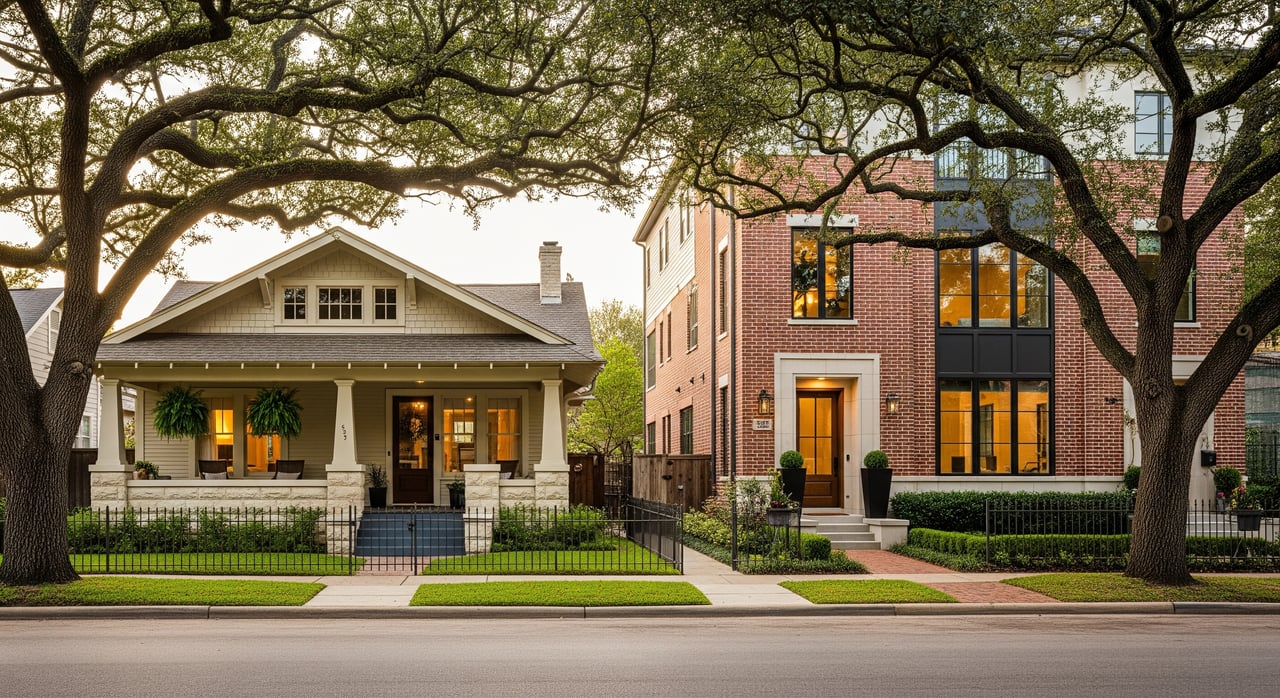
Trying to choose between a sleek townhome and a charming bungalow in Houston Heights? You are not alone. Both offer big lifestyle benefits in one of Houston’s most walkable inner‑ring neighborhoods, but they live very differently day to day. In this guide, you will learn how layout, maintenance, outdoor space, parking, ownership costs, and local rules can shape your life and your budget in The Heights. Let’s dive in.
Townhome living at a glance
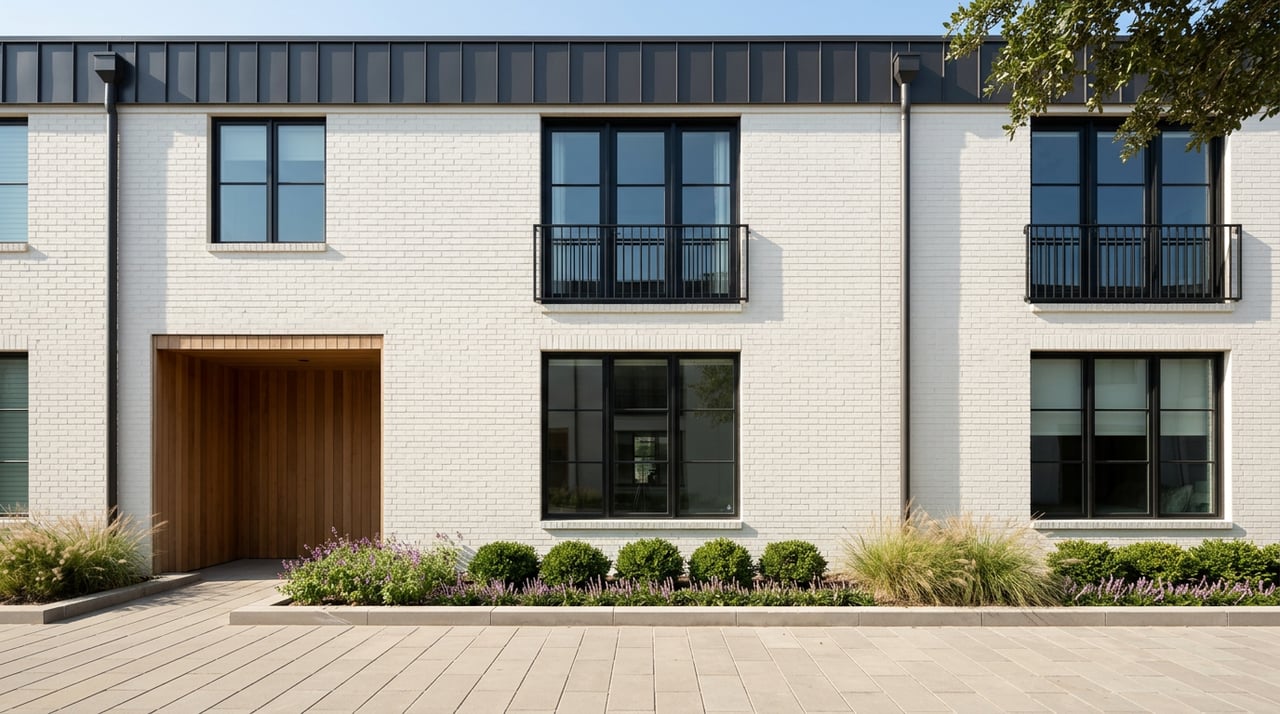
Newer infill townhomes in The Heights usually rise 2 to 4 stories with a narrow footprint. Many place the main living area on a middle floor and include rooftop decks for extra outdoor space. You often get more finished square footage on a smaller lot with modern floor plans and finishes.
Keep in mind that vertical living means stairs. If you need a bedroom on the main level or plan to age in place, a standard townhome may be less convenient unless it has an elevator. Shared walls can also affect privacy and noise, depending on construction quality and design.
Bungalow living at a glance
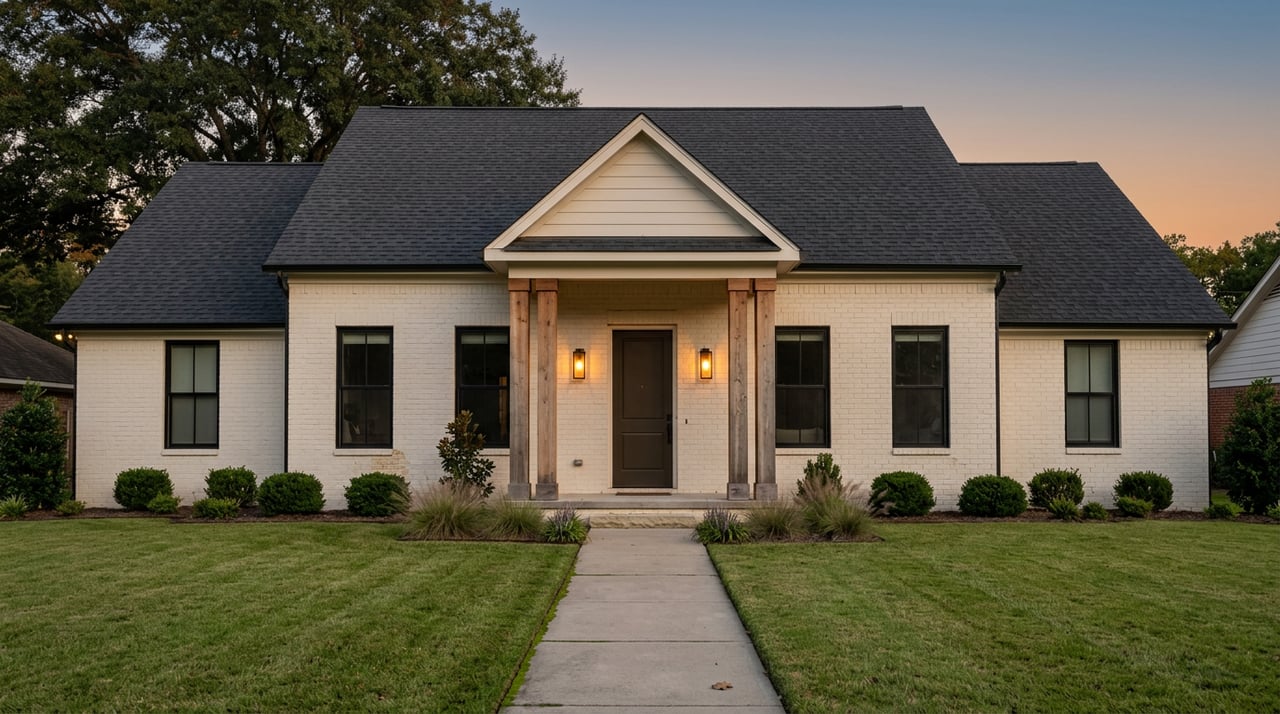
Classic Heights bungalows are typically single‑story or 1–1.5 stories with welcoming front porches and simpler floor plans. Everything is on one level, which makes daily living easier and provides a natural connection to the yard. Interiors may feel more compartmentalized compared with the open layouts of newer townhomes.
Many bungalows have potential for thoughtful additions or interior reconfigurations. That said, if a home sits in a local historic district or is subject to deed restrictions, your options for exterior changes can be limited and may require a review process.
Maintenance and renovation
Townhomes that are recently built usually carry lower near‑term maintenance needs. Roofs, HVAC, plumbing, and electrical systems are newer and built to current codes. If a townhome is part of a community with an HOA, some exterior care may be shared or governed by community rules.
Historic bungalows can require more attention. Older roofs, foundations, and systems may need upgrades, and some original materials call for specialized contractors. The upside is that many bungalows include durable materials and craftsmanship that shine when properly restored.
Inspection essentials for either option:
- Structure and foundation evaluation
- Plumbing and electrical review, including older wiring if present
- HVAC performance and remaining life
- Termite and wood‑destroying insect check
- Permits history for prior renovations
Outdoor space and lot size
Townhomes tend to sit on smaller lots. Outdoor areas often include a compact patio or yard and, on newer designs, a rooftop deck. This setup is great if you prefer low‑maintenance outdoor living and occasional container gardening.
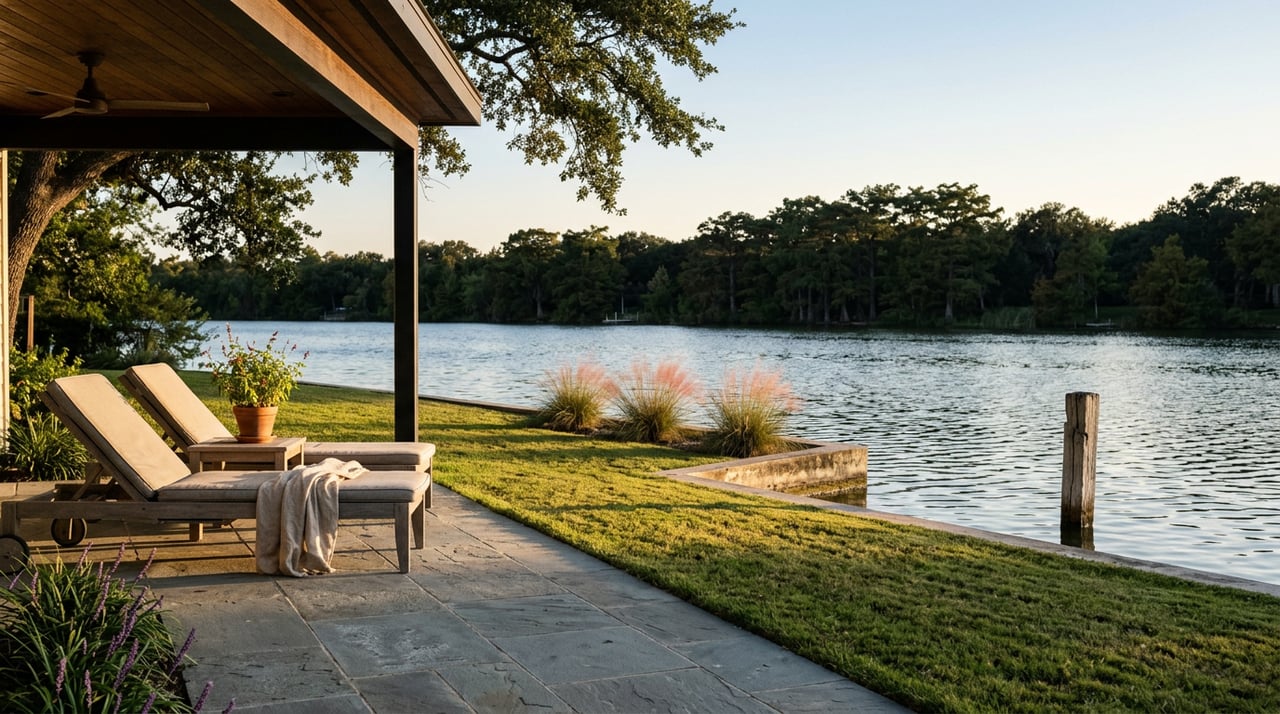
Bungalows typically offer larger ground‑level yards with mature trees, porches, and more room for gardens or play areas. You get more flexibility for landscaping and outdoor entertaining, subject to any restrictions on additions or site coverage.
Parking and access
The Heights has a mix of alley‑served lots and front‑loaded driveways. Many bungalows use alley access for detached garages, while infill townhomes may use alley access, tuck‑under garages, or small front‑loaded garages depending on the block.
Street parking can be tight near busy commercial corridors and on narrow residential streets. Some blocks use parking controls, and rules can vary. In townhome communities, HOA rules often govern visitor parking and shared driveways.
Before you buy, verify:
- Garage size and parking allocations
- Alley condition and who maintains it
- Guest parking availability and any permit or HOA rules
HOA, ownership, and monthly costs
Many Heights townhomes are fee simple but still sit inside a development with an HOA. Dues can cover common areas, private streets, gates, landscaping, and sometimes security. Owners usually carry individual interior insurance and should review what a master policy covers.
Most bungalows are fee simple without an HOA. You avoid monthly dues, but you assume full responsibility for exterior and site maintenance. Your actual monthly costs depend on the home’s condition and any capital projects you plan to tackle.
Key tradeoff: predictable HOA dues and shared maintenance versus full autonomy with variable maintenance costs.
Regulations and due diligence in The Heights
Parts of The Heights are protected by local historic districts or other designations. If a property sits inside one, major exterior changes and demolitions may require review. Even outside those areas, many blocks have deed restrictions that control uses, minimum setbacks, and design features.
Houston does not have traditional zoning, but it does enforce building codes, setback rules, and lot‑coverage limits. Permitting typically runs through the Houston Permitting Center. Flood risk varies by block in The Heights, and elevation requirements can affect new construction or major additions. Always confirm the flood designation and past flood history for the specific parcel.
Documents to review before you commit:
- Deed restrictions, plat, and current survey
- HOA governing documents and financials, if applicable
- City permit history and any historic district records
- FEMA and county flood maps and any elevation certificate
- Seller disclosures, prior inspection reports, and repair invoices
How to choose your fit
Use this quick checklist to match your lifestyle and budget:
- Layout and mobility. Do you want single‑level living and porch‑to‑yard flow, or are you comfortable with stairs and a rooftop deck?
- Outdoor life. Do you prefer a traditional yard for gardening and ground‑level entertaining, or a low‑maintenance patio with occasional rooftop use?
- Renovation appetite. Are you ready to update older systems and finishes if you choose a bungalow, or do you want the near‑term ease of newer construction?
- Ongoing costs. Would you rather pay HOA dues for shared services, or manage maintenance directly without monthly fees?
- Privacy and noise. Detached bungalows offer more separation. Townhomes may share walls, so construction quality matters.
What it means for resale
Resale in The Heights depends on micro‑location and future neighborhood change. Intact historic blocks often hold strong appeal for buyers who value architectural character. Newer townhomes draw buyers who want modern finishes and lower immediate upkeep. Because infill and redevelopment vary block by block, the exact street can influence light, privacy, and long‑term value.
A smart plan is to evaluate the specific block, nearby development trends, and any restrictions that could affect future changes. Pair that with a clear picture of your time horizon and maintenance budget.
Next steps
Choosing between a townhome and a bungalow in The Heights starts with how you want to live. Walk the block at different times of day, compare parking and access, and review the property’s records and restrictions. Then weigh your renovation appetite against your desired timeline and budget.
If you want local guidance that puts your interests first, connect with the team at Integrity Texas Properties. We will help you compare homes, review documents, and negotiate with confidence.
FAQs
What is the main difference between a townhome and a bungalow in Houston Heights?
- Townhomes offer multistory, modern layouts with smaller lots, while bungalows are mostly single‑level homes with larger ground‑level yards and historic character.
Do Heights townhomes usually have HOAs and monthly dues?
- Many do, especially in developments with shared drives or private streets, and dues often cover common area upkeep and certain exterior items.
Are Heights bungalows subject to historic district rules?
- Some are, depending on location, and properties in local historic districts may need review for exterior changes or demolitions.
How does flood risk affect homes in The Heights?
- Flood risk varies by block, and elevation requirements or flood insurance needs can influence design, costs, and ownership planning.
What parking details should I confirm before buying in The Heights?
- Verify garage size, alley access and maintenance, guest parking options, and any HOA or street‑parking rules that apply.
Which is lower maintenance in the near term, a townhome or a bungalow?
- A newer townhome often has lower near‑term maintenance due to updated systems, while older bungalows may require system upgrades and periodic repairs.